Why It Matters

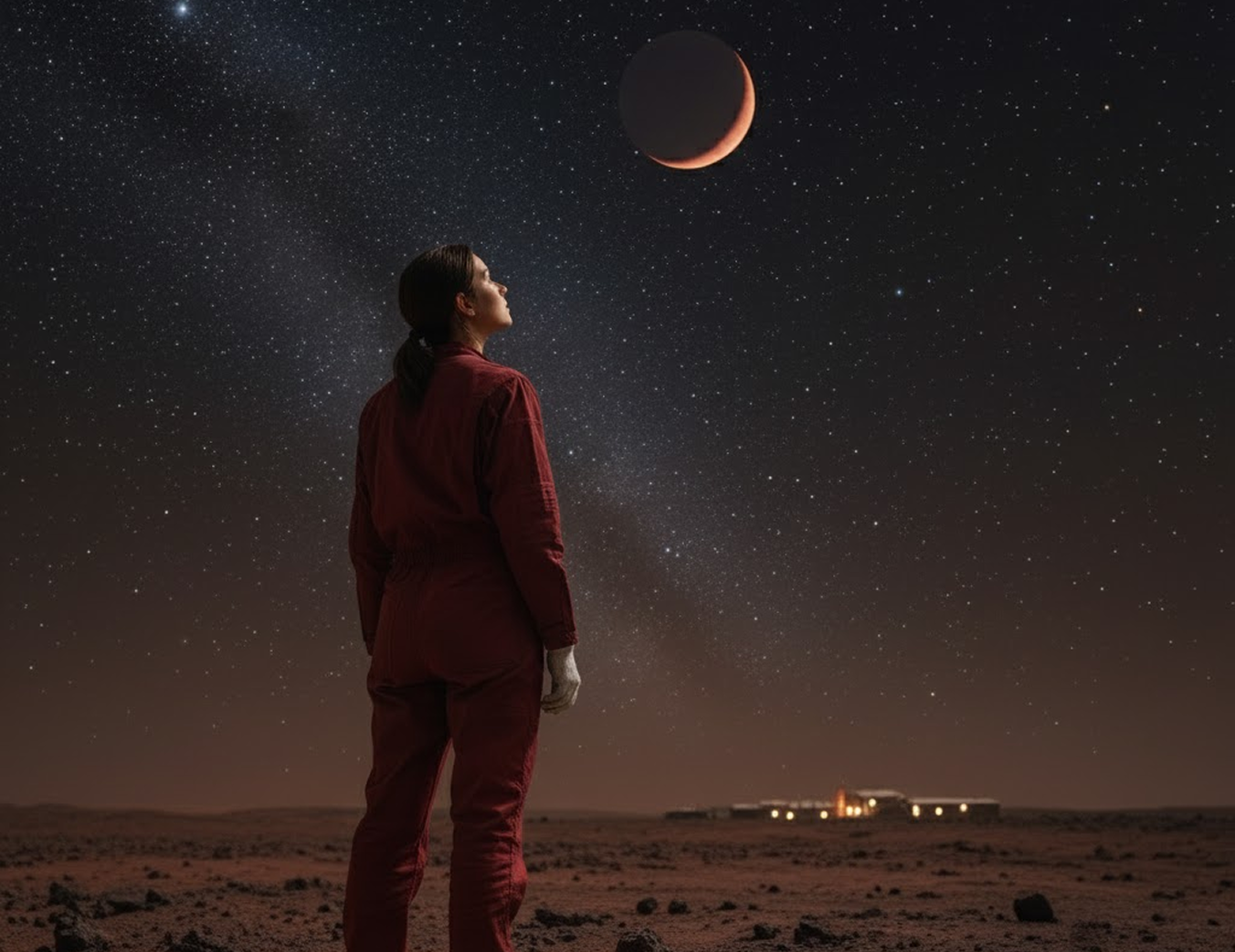
“A biosphere is not a place it’s a promise that life can learn to sustain itself.”

Mars Base One is the first fully sealed, self-sustaining habitat ever conceived to better understand how circular ecosystems endure — and how we can protect and sustain life on Earth and beyond.

For Space

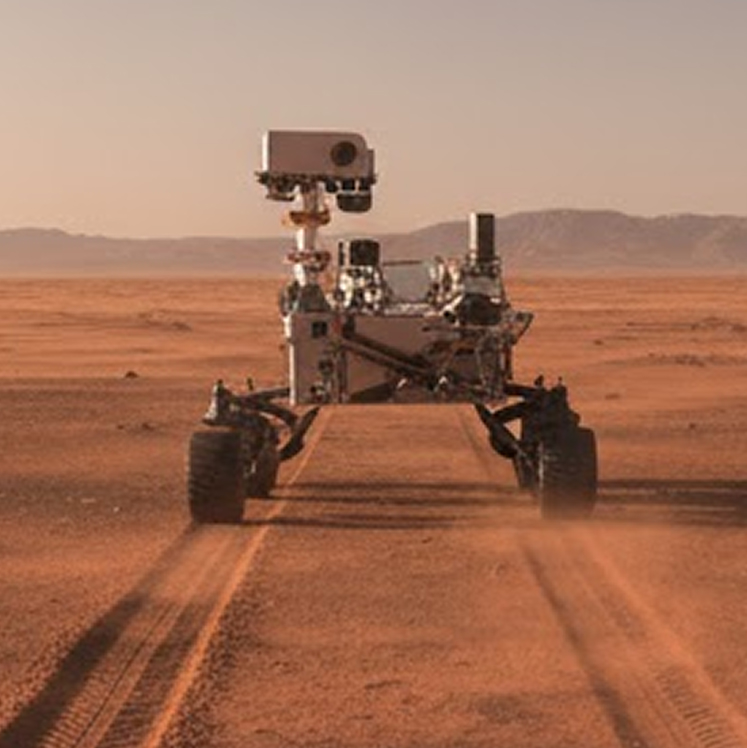
Rocket technology has advanced faster than the science of staying alive beyond Earth. Mars Base One closes that gap a full-scale test of air, water, food, and human cooperation working as one continuous system.

For Earth

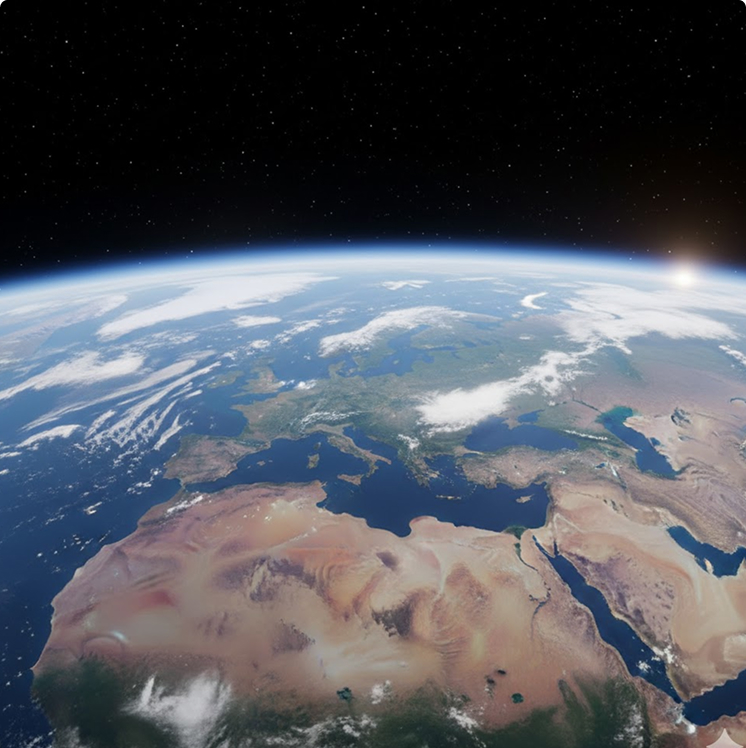
Rocket technology has advanced faster than the science of staying alive beyond Earth. Mars Base One closes that gap a full-scale test of air, water, food, and human cooperation working as one continuous system.

For Society

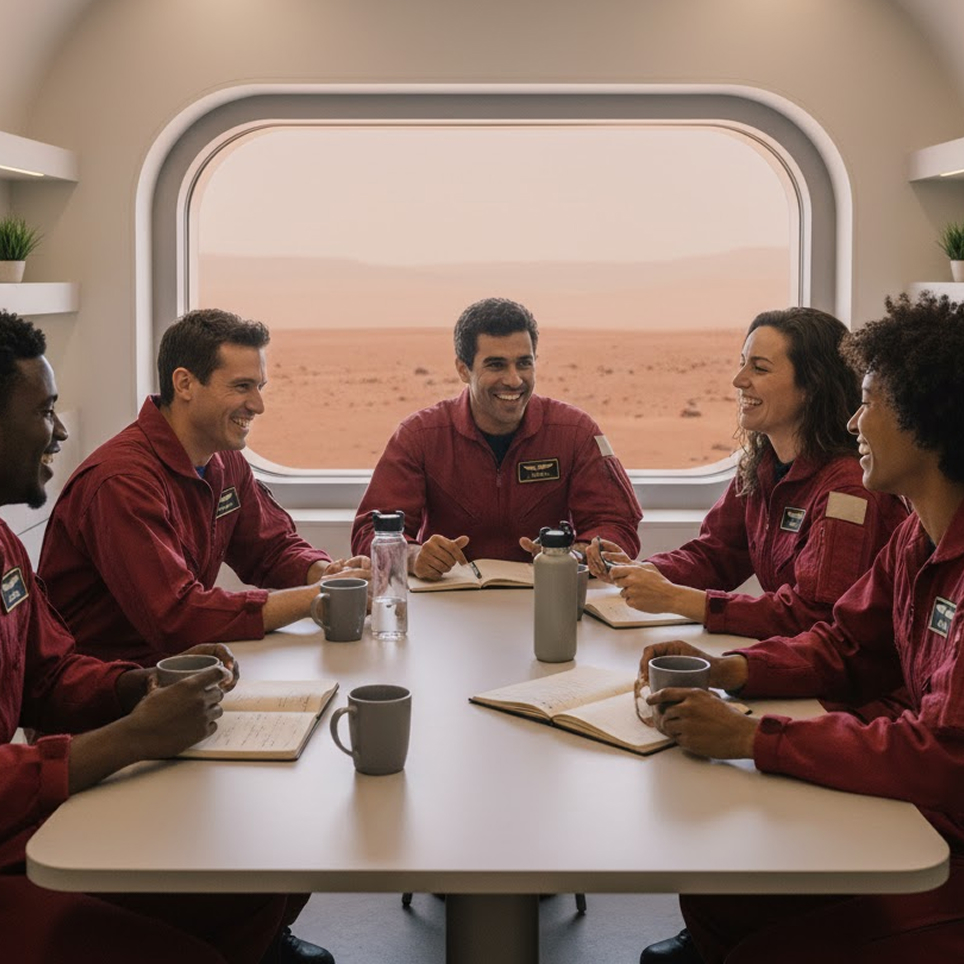
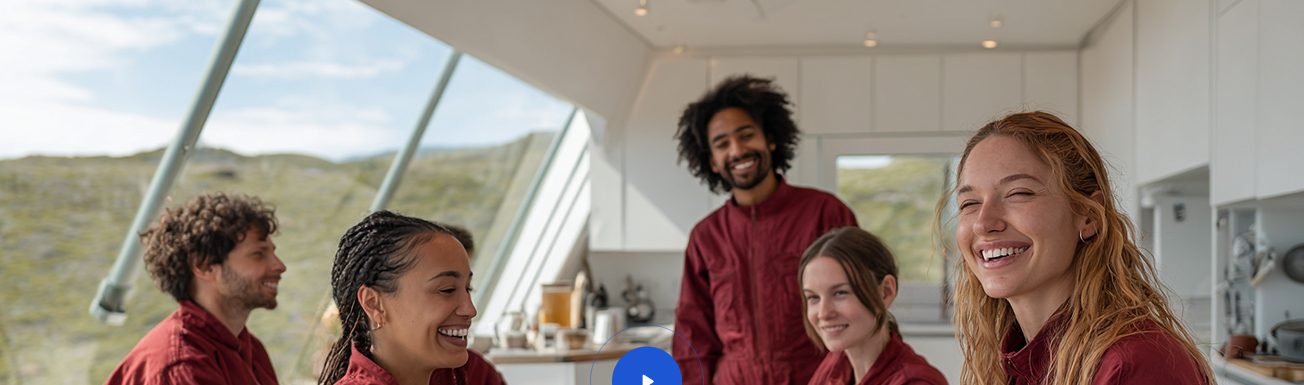
The mission is crewed by a diverse, gender-balanced team from scientific and creative backgrounds. It demonstrates how collaboration across difference becomes our most valuable resource to live together in diversity balance and integrity.

Learning from Past Experiments

Humanity has rehearsed life in isolation many times but never as a complete, self-sustaining world.

Biosphere 2

1991 - 1994

Proved the power of vision and the challenge of scale.

Mars-500

2010 - 2011

Proved the power of vision and the challenge of scale.

HI-SEAS

2013 - 2018

Proved the power of vision and the challenge of scale.

ISS & Analog

1991 - 1994

Proved the power of vision and the challenge of scale.

Mars Base One

1991 - 1994

Proved the power of vision and the challenge of scale.

How we learn in practice.

Mars Base One uses proven technologies from the domains of indoor farming, water recovery, renewable energy, and crew-support systems — linking them into one self-balancing world.

The project novelty lies with integrating existing technology see how they sustain each other under full closure.

This lean, iterative method keeps the mission grounded, transparent, and fast to deliver results.

Integration over invention. Learning over risk.

From foundation to mission.

Each step stands on its own, producing verifiable outcomes:

Phase 1 - Foundation

Design complete · site secured · founder funding delivered.

Phase 2 - Build & Integration

Partner support goes directly to construction and testing of habitat systems.

Phase 3 - Mission & Research

A 12-month sealed operation producing the first complete dataset on human–ecosystem balance.

Learning drives every phase and progress is measured by what we can share.

Turning data into shared progress.

When complete, Mars Base One will mark a first: a year-long, fully sealed, self-sustaining biosphere. The record matters less than the dataset it creates — open, verifiable, and usable by others.

It shows that life-support autonomy can be achieved with modest means and transparent science, offering models for circular agriculture, water recovery, and collaborative design.

All data will be released as open science, enabling replication and refinement worldwide.

Be part of the next chapter.

Every step of Mars Base One depends on partnerships — scientific, philanthropic, and educational. If you share our vision of measurable progress and open knowledge, we invite you to join the team of collaborators shaping this historic mission.

Join the Mission

Every euro raised builds real infrastructure or sustains the living mission
nothing else. We partner with family offices, foundations, and research groups who value open science, stewardship, and safety